


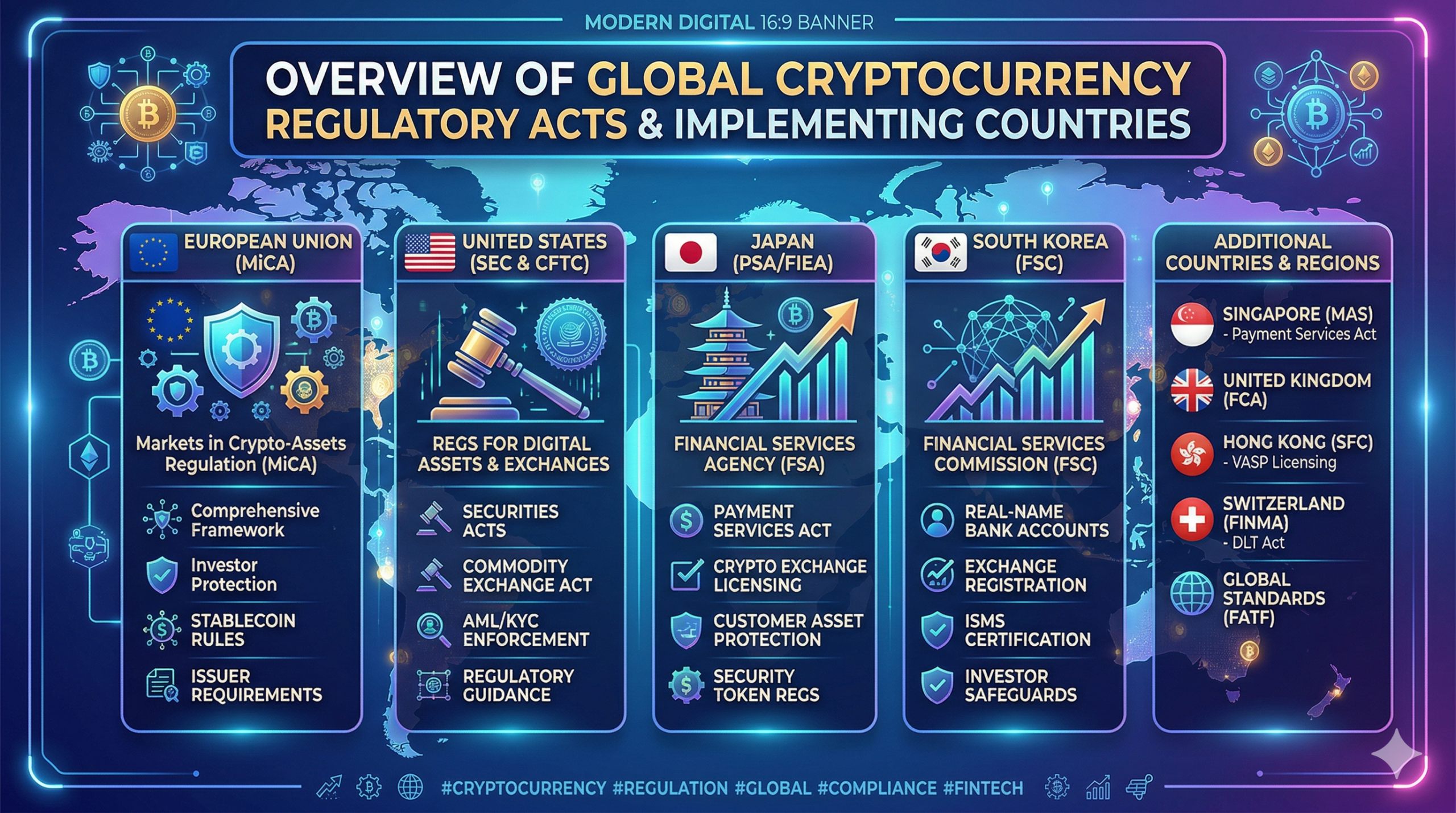
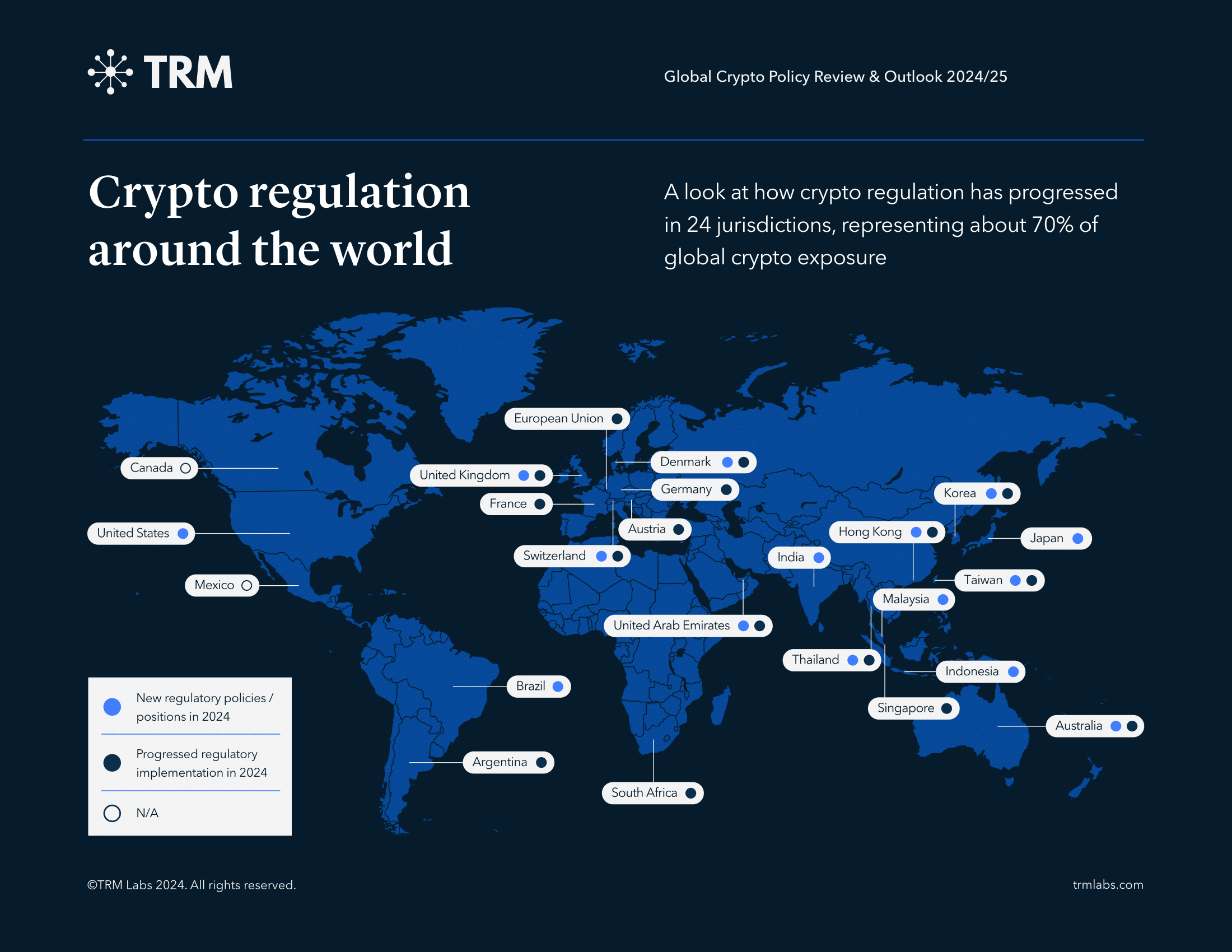
As the crypto gambling industry continues to evolve, operators and enthusiasts alike are navigating an increasingly complex and fragmented global regulatory landscape. In 2026, the challenges presented by this shifting environment have become more pronounced, with both opportunities and risks emerging for those willing to traverse the uncertain terrain. In this comprehensive article, we’ll explore the nuances of the current state of crypto gambling regulations worldwide, highlighting the key considerations for operators seeking to thrive in this dynamic market.
The Shifting Tides of Crypto Gambling Regulations
The past few years have seen a flurry of regulatory activity in the crypto gambling space, with governments and financial watchdogs grappling with the unique challenges posed by this rapidly growing industry. In 2026, the landscape has become increasingly fragmented, with a mosaic of rules and restrictions that operators must navigate with care.
The Crypto Crackdown in Brazil
One of the most notable developments in 2026 has been the Brazilian government’s decision to ban the use of cryptocurrencies for licensed gambling operators within the country. This move, which came in response to concerns over financial stability and anti-money laundering efforts, has forced many of the country’s leading crypto-friendly brands, such as BetBraza and CryptoGames, to rethink their strategies or seek alternative licensing jurisdictions.
The Cautious Approach in the UK and EU
In contrast, the United Kingdom and the European Union have taken a more measured approach to crypto gambling regulations. While these markets do allow for the use of cryptocurrencies, the compliance requirements have become increasingly burdensome, with strict know-your-customer (KYC) and anti-money laundering (AML) protocols in place. As a result, many operators, including industry giants like Betway and Unibet, have opted to avoid offering crypto gambling services in these regions, focusing instead on more traditional payment methods.
The Allure of Offshore Licenses
Amid the tightening regulations in some markets, the appeal of offshore gambling licenses has remained strong for crypto-focused operators. Jurisdictions such as Curaçao and Costa Rica have maintained their crypto-friendly policies, providing a haven for operators seeking to offer their services to a global audience.
The Curaçao Crypto Gambling Ecosystem
Curaçao, in particular, has emerged as a hub for crypto gambling, with a thriving ecosystem of licensed operators and service providers. Brands like Stake.com and Cloudbet have found success in offering a wide range of crypto-based games, including popular titles like Crash, Plinko, and Dice, to players around the world.
The Regulatory Pressures on Offshore Licenses
However, the offshore licensing model is not without its challenges. Increased scrutiny from global financial watchdogs, such as the Financial Action Task Force (FATF) and MONEYVAL, has put pressure on these jurisdictions to tighten their oversight and compliance requirements. Operators holding Curaçao or Costa Rican licenses must navigate these evolving regulations carefully to ensure the continued viability of their businesses.
Navigating the Compliance Minefield
Regardless of the licensing jurisdiction, crypto gambling operators in 2026 must place a strong emphasis on compliance and risk management. The regulatory landscape has become increasingly complex, with a patchwork of rules and requirements that can vary significantly from one market to the next.
The Importance of Robust KYC and AML Practices
Effective know-your-customer (KYC) and anti-money laundering (AML) procedures have become essential for crypto gambling operators seeking to maintain a competitive edge and avoid regulatory scrutiny. Brands like 1xBit and Cloudbet have invested heavily in advanced compliance technologies and processes to ensure the integrity of their platforms and protect their players.
Adapting to Evolving Regulatory Frameworks
Staying ahead of the curve in the crypto gambling industry also requires a keen understanding of the regulatory landscape and a willingness to adapt quickly to changing rules and requirements. Operators must closely monitor developments in their target markets, adjusting their strategies and offerings as needed to remain compliant and competitive.
Seizing Opportunities in the Crypto Gambling Frontier
Despite the challenges posed by the fragmented global regulatory environment, the crypto gambling industry continues to present significant opportunities for operators and players alike. Those who can navigate the complexities with agility and foresight stand to reap the rewards of this rapidly evolving market.
Innovative Products and Immersive Experiences
Crypto-focused operators have been at the forefront of innovation in the gambling industry, offering a wide range of unique and engaging products, such as the provably fair crypto-based games from providers like Funfair and Edgeless. By leveraging the transparency and security of blockchain technology, these brands have been able to provide players with a truly immersive and trustworthy gambling experience.
Expanding Global Reach
The borderless nature of cryptocurrencies has also enabled crypto gambling operators to reach a truly global audience, tapping into markets that may have been previously inaccessible due to traditional financial or regulatory barriers. Brands like Stake.com and 1xBit have been able to attract players from around the world, offering a diverse portfolio of games and services tailored to local preferences and regulations.
As the crypto gambling industry continues to evolve, it will be crucial for operators to remain agile, vigilant, and committed to responsible practices. By navigating the fragmented global regulatory landscape with care and foresight, they can seize the opportunities presented by this dynamic market and deliver a safe, transparent, and thrilling experience for players worldwide.
Remember, responsible gambling is essential. If you or someone you know has a gambling problem, seek help from organizations like the National Problem Gambling Helpline (1-800-522-4700) or the International Center for Responsible Gaming (www.icrg.org).
Leave a Reply